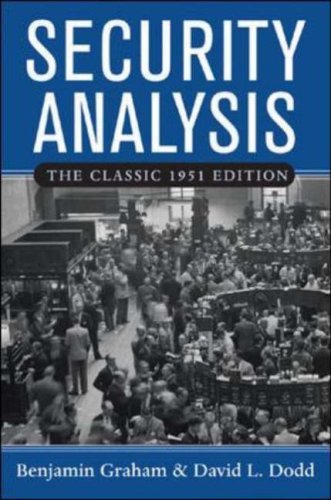
Introduction
My name is Marcus Hale. After twenty five years as an accountant and a long stretch teaching money basics, I wrote this annotated reading list to bring classic financial literature into a modern investor's hands. The collection gathers foundational works ranging from early 20th century manuals to mid-century investment guides, and it aims to bridge time-tested principles with today’s financial realities. I first pulled these titles together while helping new clients build emergency funds and retirement plans; I loved watching how a single chapter from an old title could clear up a stubborn money myth.
For context, many of the books I discuss here are well established: Benjamin Graham’s work first appeared in 1949, Babylon-era parables date to the 1920s, and several titles have seen multiple reprints and paperback editions. In this list I try to respect each book’s historical reception while translating its main lessons into simple, usable habits for modern beginners.
Plot Summary
Call this a guided tour rather than a plot. The list moves from basics to strategy: start with personal finance primers that insist on living within your means, then read primers on compound interest and long term planning, and finally dive into market behavior and valuation. I organized the entries so a new investor can progress from budgeting and saving to investing and portfolio thinking without feeling overwhelmed.
I found the arrangement satisfying because it mirrors how most of my clients learned in real life. One chapter that stuck with me comes from a classic guidebook where the author walks readers through a simple budget example that ends with a small but vivid tableau of a family paying for itself across decades. That scene lingered because it turns abstract numbers into someone’s evening meal, and it felt like a permission slip for patience-an important theme across these titles.
Overall this reading list is directional rather than exhaustive. It highlights enduring ideas and offers short notes on where each book fits in a beginner’s journey, plus a few practical exercises I recommend trying after each selection.
Writing Style and Tone
The books collected here vary in style, and I tried to capture that in my notes. Some authors write like patient teachers, using plain examples and steady pacing; others are more polemical, aiming to shake readers out of bad habits. I loved how a few classics use simple metaphors to clarify compound interest or risk-those stick better than long formulas.
As a reviewer I aim to mirror that calm, clear voice, so my annotations avoid heavy jargon and keep sentences short where a point must land. One phrase I often paraphrase from Benjamin Graham-"in the short term the market is a voting machine; in the long term it is a weighing machine"-captures the overall tone I encourage readers to adopt: measured, long run thinking.
Readers should expect plain language and steady pacing. If you prefer dense academic prose, some entries will feel breezy, but I found that plainness is part of these books' power: they convert anxiety about money into manageable steps.
Characters
Because this is a reading list and not a novel, my "characters" are the recurring archetypes that appear across classic financial literature. There is the prudent saver, who lives below their means and prioritizes emergency savings. There is the long-term investor, who sees market dips as opportunities and values compound growth. Then there is the speculator, the cautionary figure whose impatience and search for quick gains show up in many cautionary tales.
I found myself rooting for the prudent saver throughout these selections. I struggled with the sections that celebrate bold market timing; my accounting instincts favor repetition and discipline over dramatic maneuvers. Authors themselves become quasi-characters: Benjamin Graham as the sober analyst, Napoleon Hill as the motivational guide, and others who speak from experience or an era's particular challenges.
These archetypes help readers place themselves on a spectrum. One vivid, spoiler-safe scene that stayed with me is a parable where a character chooses a modest, consistent saving plan over a risky windfall scheme; it’s simple but it communicates the psychological rewards of steady habits.
Themes and Ideas
Classic financial literature tends to circle a handful of durable ideas. First, compound interest is repeatedly shown as a force that rewards time and consistency. Second, living below your means and prioritizing savings is framed not as deprivation but as freedom. Third, understanding the difference between price and value appears across many works, teaching readers to think in present value terms rather than headline numbers.
I found the recurring moral message surprisingly humane: these books often emphasize character over cleverness. Patience, discipline, and a long-term horizon are treated as moral and practical virtues. A paraphrased line from one guide-"buy value, not noise"-summarizes that attitude in three words.
Philosophically, the reading list nudges readers toward modest ambitions: financial security first, then optional growth. It asks sensible questions about risk tolerance, time horizon, and the social purpose of money. I loved how these older works still speak to modern concerns, from retirement planning to the emotional aspect of investing.
Strengths of the Book
The main strength of this annotated list is its clarity. I selected classics that teach core principles without requiring a finance degree. Readers get practical takeaways, like how to set a simple monthly budget, the math behind compound interest, and checklists to evaluate investments. I loved the way the notes highlight experiments you can try in a week-a small test that reveals a larger truth.
Another strong point is historical perspective. Placing modern markets alongside mid-century lessons shows which ideas are timeless and which need modern interpretation. The list also offers a gentle pathway: start with a quick starter book and move toward deeper, sometimes denser reads. In my experience this sequencing reduces overwhelm and encourages retention.
Weaknesses of the Book
No collection is perfect. One mild weakness of this reading list is that a few entries reflect the assumptions of their time-labor markets, tax rules, or available instruments that look different now. I struggled at moments to translate century-old examples into today’s gig economy reality. I tried to mitigate that in the annotations, but readers should be ready to do a little contextual translation themselves.
Another small limitation is breadth versus depth. Because this is an annotated list, no single book receives exhaustive analysis. If you want deep academic critiques or exhaustive footnotes, this format will feel light. That said, for beginners I think the trade-off is worthwhile: breadth that points the way to deeper study.
Why It Hit Home
Personally, this project felt like returning to an old toolkit and polishing the most useful tools. I loved revisiting the chapter on compounding that I once used to explain retirement math to young parents. It reminded me why simple habits matter more than cleverness. A brief, almost hymn-like chapter in one classic about saving a fixed share of income is still one of the clearest behavioral nudges I know.
If I had one small joke for fellow book lovers: these books won’t make you rich overnight, but they will mess with your impulse purchases in a pleasantly disciplined way. I found that the calm voice across many classics aligns with my own patient approach to money and teaching.
Who Should Read It
This list is aimed at new investors and curious readers who want steady grounding. If you are saving for an emergency fund, learning about compound interest, or opening your first investment account, these books are a reliable foundation. If you liked The Intelligent Investor or Robert Kiyosaki’s more popular takes, you’ll find this list a sensible next step-leaning more toward substance than hype.
I recommend reading with a small ritual: coffee, a highlighter, and a two-page notebook to capture one actionable idea per chapter. I reference The Intelligent Investor here because its discipline complements many entries on this list, and pairing Graham’s sober analysis with a budgeting primer gives beginners a balanced start.
Conclusion
As a retired accountant turned writer, I assembled this annotated reading list to help new investors build habits that last. The selections emphasize clarity, patience, and long-term thinking, and the annotations aim to translate older examples into modern practice. I found the exercise rewarding: these classics still offer practical steps that work today, and they encourage a steady, measured approach to money. Read this list as a roadmap rather than a rulebook, try the short exercises after each entry, and let the ideas simmer. Overall, the collection is accessible, thoughtful, and useful for anyone beginning their financial journey.
Rating: 7.5/10